Many Tiers, One Container
Several constructions and price tiers, one consolidated shipment, one QC document pack — factory-direct across the catalog instead of factory-by-factory.

What breaks multi-SKU orders
- Every tier bought from a different factory means different QC standards, different freight and different paperwork per shipment.
- Quality drifts between production lines, and SKUs that should read as one catalog don't feel like it.
- Containers half-filled with a single tier waste freight on air.
- Trading margins stack between you and the line, tier after tier.
- Documents arrive per factory instead of per shipment, and your accounts team reconciles three sets of paper for one order.
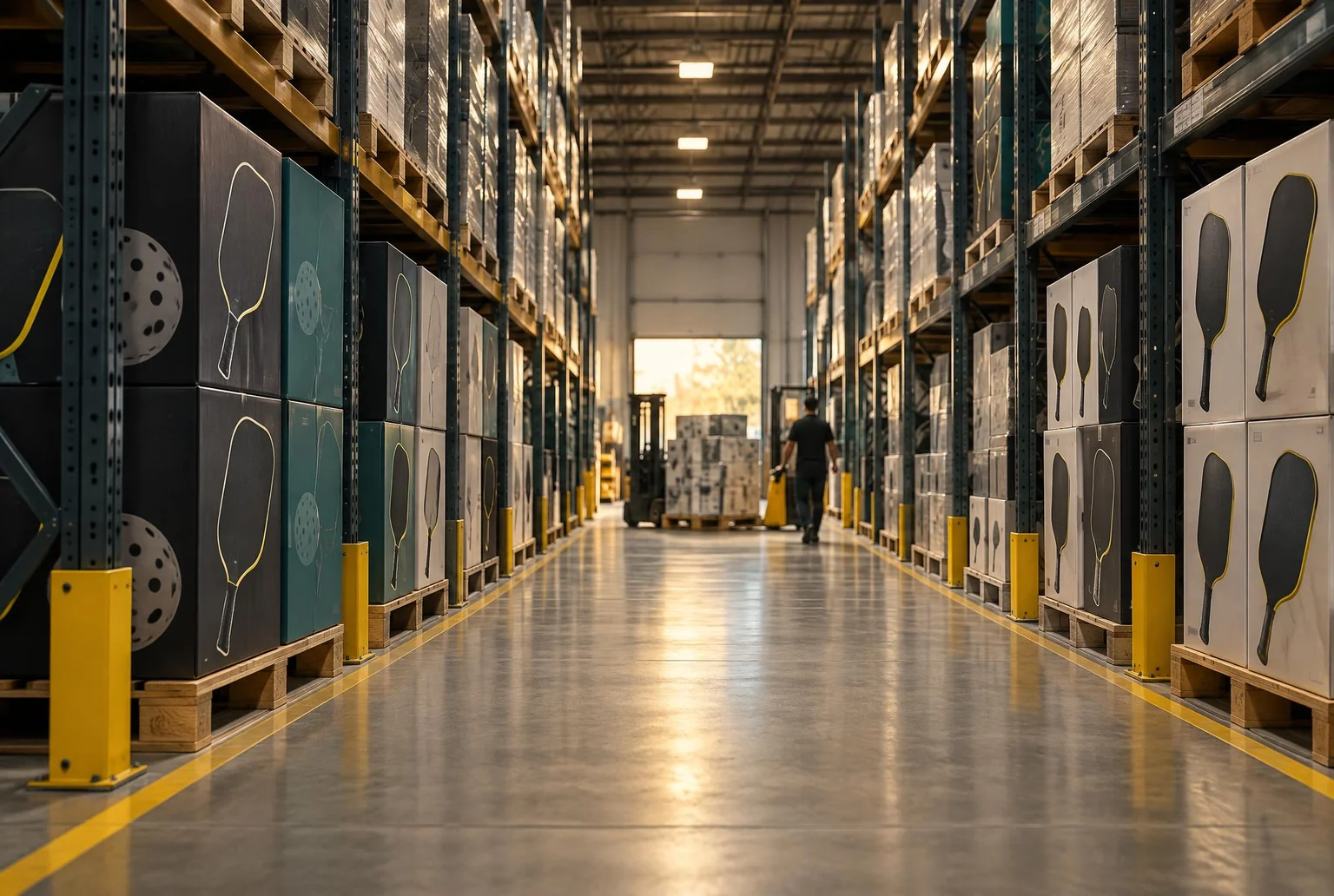
A tier map your retail accounts will recognize
Three tiers cover the price ladder most accounts shop across — all built in the same window so the container ships complete.
| Catalog tier | Construction | Core thickness | Freight & documents | Why this starting point |
|---|---|---|---|---|
| Volume tier | Fiberglass face + PP honeycomb core | 14.1–15 mm | Consolidated cartons, shared doc pack | The high-turn tier that anchors container fill and covers the entry price point of your accounts. |
| Mid tier | T700-grade raw carbon + PP honeycomb core | 15–16 mm | Consolidated cartons, per-PO QC lines | The tier most retail accounts ask for — it balances margin against sell-through across a mixed customer base. |
| Premium tier | Woven or hybrid carbon + Nomex honeycomb core | 16 mm | Per-SKU inspection reports tied to PO lines | Tops the catalog and runs the same production window, so the container ships complete instead of part-filled. |
Spec anchors across every tier: MOQ 200–500 units / SKU · samples in 7–12 business days · bulk production in 25–35 days · unit pricing quoted based on spec.
Terms that consolidate, not complicate
The MOQ applies per SKU, so stacking tiers in one order multiplies volume without multiplying factory contacts.
Typical rhythm, not a promise — firm dates are confirmed when the purchase order is signed.
Three moves that hold the container together
How a multi-tier order stays one shipment instead of becoming three parallel projects.
Tier Map to One Spec Set
Constructions mapped to the accounts they serve and written into one spec document set — one reference instead of one per factory.
Consolidated Build
Every tier runs inside the same 25–35 day production window, so the container loads full instead of part-filled.
One QC Pack
Inspection reports and material declarations unified across SKUs, each tied to its purchase-order line — one document pack per shipment.
The matching playbook, plus the reading
See it as a playbook
Case 04 in our Case Studies shows a distributor consolidating three construction tiers into one container — tier map, consolidated build, one QC pack and split on arrival, written as steps you can check against our service terms.
Read the distributor playbookMapping a different scenario? Back to the Solutions overview.
Questions wholesale buyers ask first
Can we mix constructions and price tiers in one order?
Yes. Tiers are consolidated into a single shipment, and the MOQ applies per SKU at 200–500 units — a three-tier container is three SKU lines on one PO, not three separate orders.
How is wholesale pricing structured across tiers?
Each SKU is quoted based on spec and quantity. We price the tier map as one document so you can see the margin structure across the whole catalog, not SKU by SKU in isolation.
What does the QC document pack include?
Inspection reports and material composition declarations unified across SKUs, each tied to its purchase-order line — plus optional third-party certification lab reports where a SKU has been submitted.
Can one shipment be split to several destinations?
Yes. The container ships as one consignment and is divided per account and destination on arrival — one shipment to manage instead of one factory relationship per tier.